Our Research

Overview

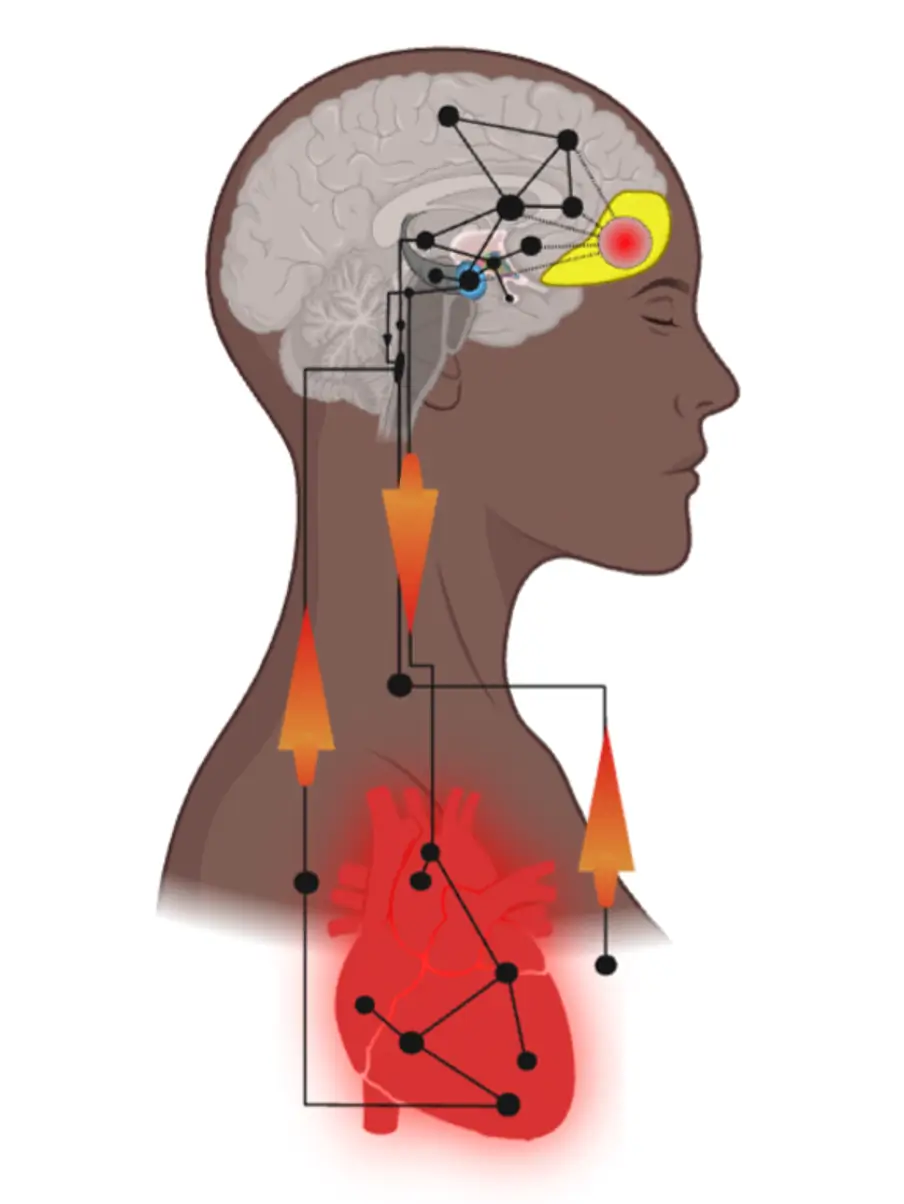
The Khalsa Lab uses an experimental medicine framework to study how heart-brain and gut-brain communication is dysregulated in psychiatric conditions. Using pharmacological stimulation, brain imaging, EEG, and computational modeling, we identify the sensory and regulatory circuits underlying interoception and target them for new treatments.

Core Research

Key Technologies & Methodologies

fMRI

EEG

isoproterenol infusion paradigm

ingestible vibrating capsule (gut mechanosensation)

floatation-REST

Bayesian computational modeling

body surface gastric mapping (BSGM)

Research Highlights

Neural Circuits of Heart-Brain Interoception in Anxiety Disorders
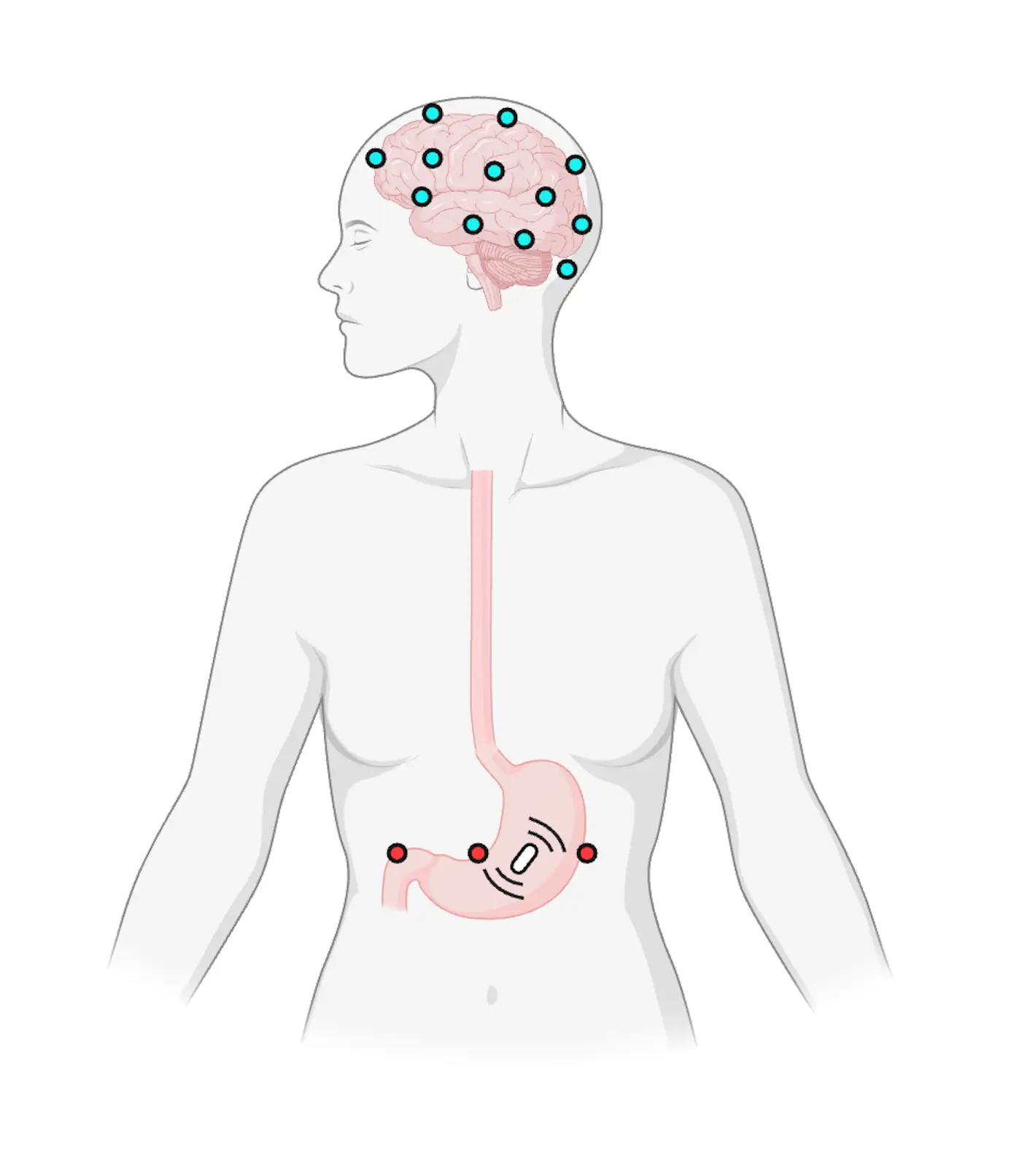
Gut-Brain Interoception & Anorexia Nervosa

Floatation-REST as a Novel Psychiatric Treatment

Computational Psychiatry & Interoceptive Inference